Why Insurance Companies Continue to Invest in Direct Mail
Insurance is still bought on trust, and trust is hard to build through a banner ad. That is one of the biggest reasons insurers keep direct mail in the budget year after year, even as digital ad spend climbs. A direct mail API by PostGrid lets carriers, agencies, and MGAs send policy documents, renewal notices, and acquisition campaigns at the speed of a digital channel while keeping the physical presence that insurance buyers respond to. The channel has not survived by accident. It keeps earning its place in the marketing mix because it solves problems that email and paid search cannot.
Physical Mail Still Commands Attention
Inboxes are crowded and getting more crowded every year. A policyholder might get twenty marketing emails before lunch and delete most of them without opening. A well-designed letter or postcard from a carrier does not compete with twenty other pieces of mail in the same way. Response rates for direct mail have consistently outperformed email and digital display in insurance-specific studies, and open rates for a physical envelope are close to universal since people tend to at least glance at what lands in their mailbox. For an industry where the average premium and the average customer lifetime value are both high, even a small lift in response rate translates into real revenue.
Insurance Products Require a Paper Trail
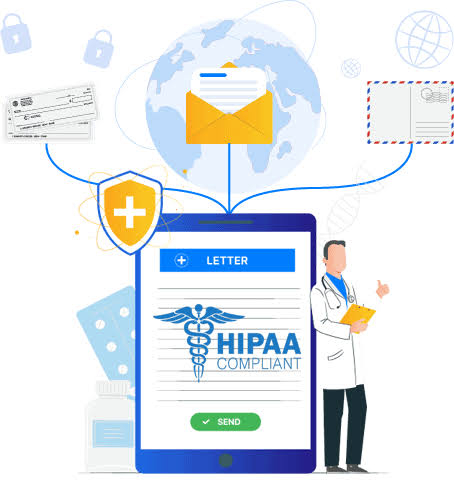
Policy declarations, renewal notices, cancellation warnings, claims correspondence, and regulatory disclosures often have to be delivered in a form that can be proven and archived. Many states and provinces still expect certain notices, like non-renewal or lapse warnings, to go out by mail with a verifiable delivery record. Insurers cannot simply decide to go all digital for this kind of correspondence, because the legal and compliance requirements were built around physical delivery. A print and mail platform that offers delivery tracking, certified mail options, and audit-ready logs gives compliance teams the paper trail that regulators expect, without forcing operations teams to manage the printing and mailing process by hand.
Renewal and Retention Campaigns Perform Better in the Mailbox
Acquiring a new policyholder costs far more than keeping an existing one, so retention campaigns get outsized attention from marketing teams. Direct mail has a long track record in this specific use case. A renewal reminder, a loyalty offer, or a cross-sell for bundling auto and home coverage tends to get a stronger response when it arrives as a physical piece rather than another line in an inbox. Mail also pairs well with digital retargeting. A household that receives a postcard and then sees a matching digital ad a few days later is more likely to convert than one that only sees the digital touch, because the two channels reinforce each other instead of competing for the same five seconds of attention.
Personalization and Automation Have Closed the Cost Gap
Direct mail used to be slow and expensive to personalize, which pushed many insurers toward digital-only strategies. That has changed. Modern mailing platforms can pull data from a CRM or policy administration system, build and filter mailing lists, and generate variable data letters, postcards, and self mailers automatically, without a print shop in the loop. Address verification can run before a piece ever gets produced, which cuts down on returned mail and wasted postage. Campaigns that used to take weeks to plan and execute can now be triggered by an event, like a policy coming up for renewal in sixty days, and go out the same day. That kind of automation is what makes direct mail viable again at insurance scale, where a single campaign might need to reach hundreds of thousands of households with a different offer for each segment.
Tracking and Attribution Are No Longer a Weak Point
One of the old arguments against direct mail was that it is hard to measure. That argument does not hold up as well today. Unique tracking codes, QR codes, and dedicated landing pages let insurers tie a mail piece directly to a quote request or a policy purchase. Delivery tracking and click or scan data give marketing teams the same kind of funnel visibility they are used to seeing from digital channels, which makes it much easier to justify the spend to finance and to compare direct mail against paid search or social on a cost-per-acquisition basis.
A Channel Built for a Regulated, High-Trust Industry
Health insurers, life insurers, and property and casualty carriers all operate under strict rules about how they communicate with customers, and they all sell a product that depends on the customer believing the company will actually pay a claim someday. Direct mail fits that combination well. It supports the compliance requirements that come with regulated communication, and it carries a level of credibility that a promotional email rarely matches. As insurers keep blending digital acquisition with traditional channels, direct mail is not a leftover habit from an earlier era of marketing. It is a channel that has adapted, automated, and kept earning a place in the plan because it still delivers results that other channels cannot fully replace.